200-301 CCNA: Exam Lab Topology Preparation
Build Strong Networking Foundations with Real Exam-Level Lab Topologies
If you are preparing for the 200-301 CCNA (Cisco Certified Network Associate) exam, you already know that this certification is the foundation of a successful networking career. CCNA is not just an entry-level certification. It validates your understanding of networking fundamentals, IP connectivity, security basics, automation concepts, and troubleshooting skills. This is not theory-heavy training. This is practical, topology-based preparation designed to build real networking confidence.
Why 200-301 CCNA is Important?
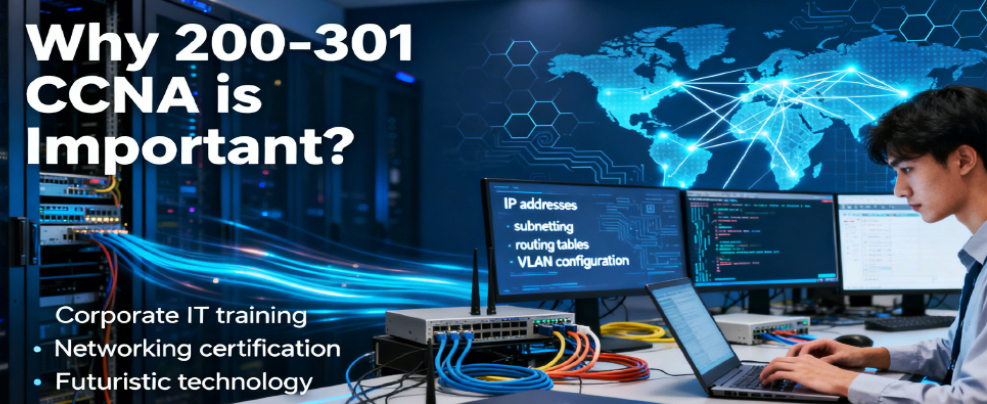
The 200-301 CCNA exam is the starting point for professional networking certifications. It builds the core knowledge required for CCNP, CCIE, and enterprise-level networking roles. This certification validates your expertise in:
- Network fundamentals
- IP addressing & subnetting
- Routing & switching basics
- VLANs & trunking
- IP connectivity
- Network access technologies
- Security fundamentals
- Automation & programmability basics
- Basic troubleshooting
CCNA is ideal for:
- Networking beginners
- IT support engineers
- Desktop support engineers
- System administrators
- Students entering the networking field
- Professionals starting their CCNP journey
If you want to build a strong networking career from the ground up, CCNA is the essential first step.
About Our CCNA Lab Topology Preparation Course
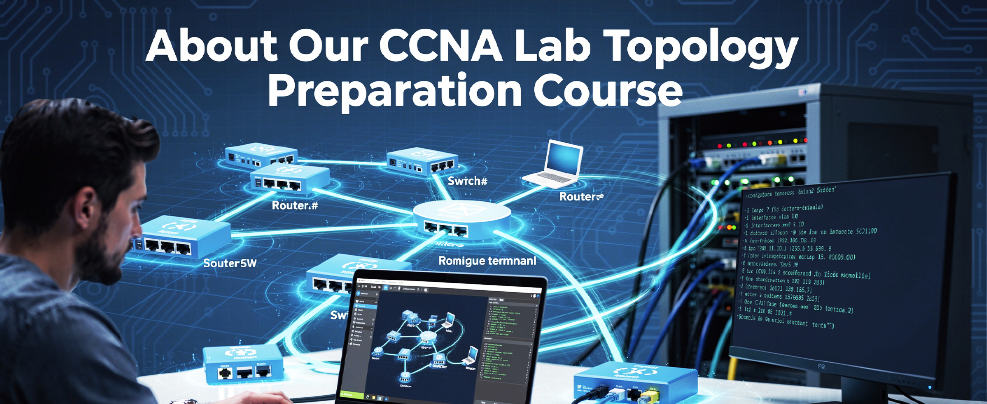
At atmicnetworks.com, we focus on structured lab topology practice instead of only explaining networking concepts.
Course Details:
- Duration: 25 Hours
- Mode: Online
- Language: English
- Focus: Lab Topology-Based Training
This course is designed for candidates who want strong hands-on skills aligned with the official 200-301 CCNA blueprint.
What You Will Learn
Our 200-301 CCNA preparation program covers all exam domains with practical topology implementation. 1. Network Fundamentals We begin with strong networking basics including:
- OSI & TCP/IP models
Types of networks
- Network components (Router, Switch, Firewall, Access Point)
- Cabling types
- Speed & duplex concepts
- Basic network design
Understanding fundamentals is critical before moving into configuration labs.
2. IP Addressing & Subnetting
IP addressing is one of the most important CCNA topics. We simplify it with:
- IPv4 addressing
- Binary to decimal conversion
- Subnetting techniques
- VLSM
- CIDR notation
- IPv6 basics
You will practice subnetting using real exam-style problems to build speed and accuracy.
3. Network Access (Switching Technologies)
Switching is a core CCNA topic. Our lab topologies cover:
- VLAN creation & assignment
- Trunk configuration
- Inter-VLAN routing
- STP basics
- EtherChannel fundamentals
- Port security
You will configure switches in realistic lab environments to understand real network behavior.
4. IP Connectivity (Routing Basics)
Routing concepts are explained and practiced with live topologies including:
- Static routing
- Default routes
- OSPF single-area configuration
- Router interfaces & configuration
- Basic troubleshooting
You will understand how routers make forwarding decisions in real networks.
5. Infrastructure Services
Enterprise networks rely on infrastructure services. Our lab coverage includes:
- DHCP configuration
- DNS concepts
- NTP basics
- SNMP overview
- Syslog
- Basic NAT configuration
We ensure you understand how services integrate into real network topologies.
6. Security Fundamentals
Security basics are an important part of CCNA. We cover:
- Basic ACL configuration
- Device hardening basics
- Password security
- Port security
- Firewall fundamentals
- Wireless security basics
Security concepts are integrated into lab scenarios for practical understanding.
7. Automation & Programmability Basics
Modern networking includes automation awareness. CCNA tests basic knowledge of:
- Controller-based networking
- Software-defined networking (SDN)
- REST APIs overview
- JSON basics
- Automation fundamentals
We simplify these topics so beginners can understand them without confusion.
Real Exam-Level Lab Topologies
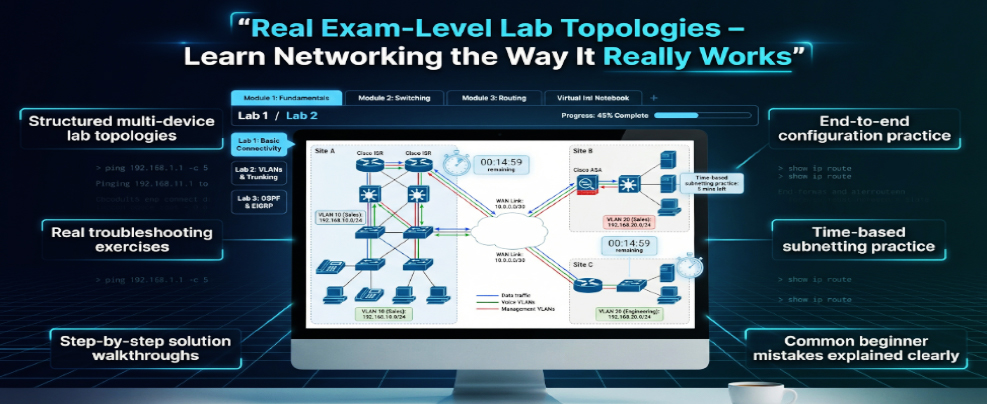
What makes our course different is the topology-driven approach. Instead of isolated command practice, we provide:
- Structured multi-device lab topologies
- End-to-end configuration practice
- Real troubleshooting exercises
- Time-based subnetting practice
- Step-by-step solution walkthroughs
- Common beginner mistakes explained clearly
We train you to think logically and configure confidently — not just memorize commands.
Who Should Join This Course?
This course is ideal for:
- Students preparing for 200-301 CCNA
- Beginners entering networking
- IT support engineers
- Professionals switching to networking careers
- Anyone wanting strong networking fundamentals
If you struggle with subnetting, VLAN configuration, routing basics, or troubleshooting, this course is designed for you.
100% Online – Learn from Anywhere
Our CCNA Lab Topology Preparation program is delivered fully online with:
- Live interactive training sessions
- Real-time lab demonstrations
- Remote lab access
- Recorded sessions for revision
- Doubt-clearing support
- Exam-oriented practice
You can prepare from anywhere in the world without compromising on lab quality.
Why Choose atmicnetworks.com?
At atmicnetworks.com, we believe strong fundamentals build strong careers.
- Structured 25-hour practical lab training
- Real multi-device topology simulations
- Simplified subnetting techniques
- Beginner-friendly explanations
- Instructor-led interactive sessions
- Exam-focused practice
We don’t just prepare you to pass CCNA. We prepare you to build a successful networking career.
Ready to Pass 200-301 CCNA with Confidence?
If you are serious about clearing the CCNA exam and building strong networking foundations, our 200-301 CCNA: Exam Lab Topology Preparation course is built for you. With structured lab practice, expert mentorship, and real-world topology implementation, you will gain the confidence required to succeed in both the exam and your networking career. Visit atmicnetworks.com to enroll and start your networking journey today.