February 17, 2025
 Cloud adoption is no longer single-platform. In 2026, most enterprises operate in multi-cloud environments, combining AWS, Microsoft Azure, and Google Cloud to optimize cost, performance, security, and compliance.
As a result, IT professionals who understand multiple cloud platforms have a significant competitive advantage.
The key question is:
How should you build a smart multi-cloud certification strategy without overwhelming yourself?
This guide breaks down a practical, role-based roadmap to becoming multi-cloud certified.
Cloud adoption is no longer single-platform. In 2026, most enterprises operate in multi-cloud environments, combining AWS, Microsoft Azure, and Google Cloud to optimize cost, performance, security, and compliance.
As a result, IT professionals who understand multiple cloud platforms have a significant competitive advantage.
The key question is:
How should you build a smart multi-cloud certification strategy without overwhelming yourself?
This guide breaks down a practical, role-based roadmap to becoming multi-cloud certified.
A strong multi-cloud strategy leverages these strengths.
At this stage, aim for:
Multi-Cloud Certification Strategy: AWS, Azure, and Google Cloud
Cloud adoption is no longer single-platform. In 2026, most enterprises operate in multi-cloud environments, combining AWS, Microsoft Azure, and Google Cloud to optimize cost, performance, security, and compliance.
As a result, IT professionals who understand multiple cloud platforms have a significant competitive advantage.
The key question is:
How should you build a smart multi-cloud certification strategy without overwhelming yourself?
This guide breaks down a practical, role-based roadmap to becoming multi-cloud certified.
Why Multi-Cloud Skills Matter in 2026
Organizations adopt multi-cloud strategies to:- Avoid vendor lock-in
- Improve redundancy and disaster recovery
- Optimize cost across providers
- Leverage unique strengths of each platform
- Meet regional compliance requirements
Understanding Each Cloud’s Strength
Before building your certification path, understand what each cloud does best:| Cloud | Enterprise Strength | Best For |
| AWS | Largest market share, mature services | Startups, DevOps, global deployments |
| Azure | Enterprise integration, hybrid cloud | Corporate IT, Microsoft environments |
| Google Cloud | Data analytics & AI leadership | ML workloads, data-heavy organizations |
Step-by-Step Multi-Cloud Certification Strategy
Phase 1: Build a Strong Foundation (Choose One Primary Cloud)
Start with one cloud platform and master it before expanding.Recommended Starting Points:
- AWS Cloud Practitioner
- Azure Fundamentals (AZ-900)
- Google Cloud Digital Leader
- AWS Solutions Architect – Associate
- Azure Administrator (AZ-104)
- Google Associate Cloud Engineer
- Compute
- Storage
- Networking
- Identity & access management
- Monitoring
- Cost management
Phase 2: Add a Second Cloud (Expand Strategically)
After gaining experience in your primary cloud, add a second provider.Suggested Pairings:
| Primary Cloud | Add This Second |
| AWS | Azure |
| Azure | AWS |
| Either | Google Cloud |
- Azure Administrator (if starting with AWS)
- AWS Solutions Architect Associate (if starting with Azure)
- Google Associate Cloud Engineer (for data focus)
- IAM models
- Networking architecture
- Pricing structures
- Governance tools
- Security frameworks
Phase 3: Advance to Architect-Level (Multi-Cloud Expertise)
Now target professional-level certifications:AWS:
- Solutions Architect – Professional
Azure:
- Azure Solutions Architect (AZ-305)
Google Cloud:
- Professional Cloud Architect
- Cross-cloud design
- Hybrid networking
- Multi-region failover
- Cost optimization strategies
- Security alignment
Role-Based Multi-Cloud Certification Paths
☁️ Cloud Engineer Path
- AWS Associate
- Azure Administrator
- Google Associate Cloud Engineer
- Kubernetes (CKA)
🏗 Cloud Architect Path
- AWS Associate
- Azure AZ-305
- Google Professional Architect
- Security certification (CISSP or AZ-500)
🔐 Cloud Security Path
- Security+ or SC-900
- AWS Security Specialty
- Azure Security Engineer (AZ-500)
- Google Cloud Security Engineer
🤖 Cloud + AI Path
- Azure AI Engineer
- Google ML Engineer
- AWS ML Specialty
Key Skills for Multi-Cloud Professionals
Certification alone isn’t enough. Employers expect: ✔ Infrastructure as Code (Terraform) ✔ Kubernetes & container orchestration ✔ CI/CD pipelines ✔ Cloud security best practices ✔ Networking across clouds ✔ Cost governance ✔ Monitoring & observability Multi-cloud professionals are integration specialists.Common Mistakes to Avoid
❌ Trying to learn all three clouds simultaneously ❌ Collecting certifications without hands-on labs ❌ Ignoring security fundamentals ❌ Skipping networking basics ❌ Focusing only on theory Multi-cloud mastery requires structured progression.Multi-Cloud Salary & Career Impact
Professionals with multi-cloud expertise typically enjoy:- Higher salary premiums
- Enterprise architect roles
- Cloud transformation leadership
- Consulting opportunities
- Global job mobility
3-Year Multi-Cloud Roadmap Example
Year 1:
- AWS Associate
- Hands-on projects
Year 2:
- Azure Administrator
- Kubernetes (CKA)
Year 3:
- AWS Professional or Azure Architect
- Google Cloud Professional
- Security specialization
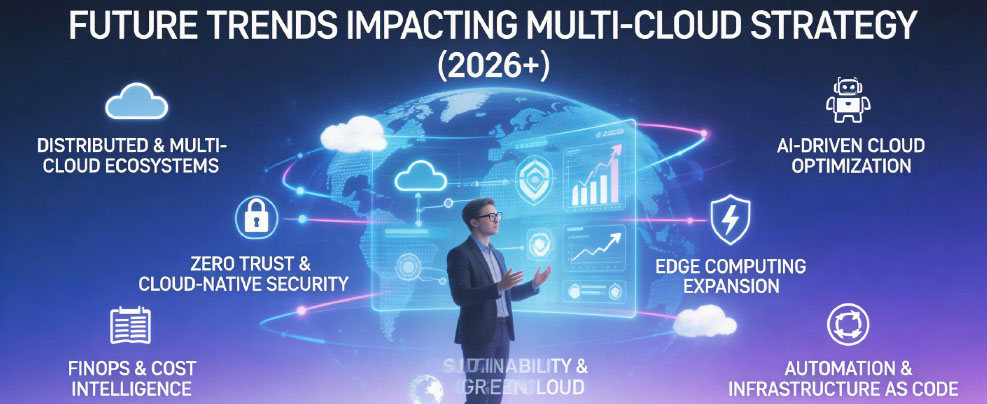
Future Trends Impacting Multi-Cloud Strategy (2026+)
- AI-powered cloud optimization
- Zero Trust across multi-cloud
- Cross-cloud data lake integration
- Multi-cloud FinOps management
- Edge computing expansion
Final Thoughts
In 2026, cloud professionals who understand only one platform risk limitation. Those who master AWS + Azure + Google Cloud strategically position themselves as enterprise-ready leaders. A successful multi-cloud certification strategy is:- Structured
- Progressive
- Role-aligned
- Hands-on focused
- Security integrated
Categories
- Pass PMI PMP Exam Online with Proxy & Pay After Pass
- Pass PRINCE2 Foundation Certification & Pay After Pass
- Pass PRINCE2 Agile Practitioner Certification & Pay After Pass
- Pass PRINCE2 Practitioner Certification & Pay After Pass
- Pass PMI ACP Exam Online with Proxy & Pay After Pass
- Pass AWS Solution Architect Associate SAA-C03 & Pay After Pass
- Pass AXELOS - ITIL Practitioner Certification & Pay After Pass
- Pass ISACA CISM & Pay After Pass
- Pass ISACA CISA & Pay After Pass