February 17, 2025
 Networking is the backbone of modern IT infrastructure. Every cloud deployment, cybersecurity framework, enterprise application, and remote workforce setup depends on reliable and secure network connectivity.
In 2026, as digital transformation accelerates, organizations require skilled networking professionals more than ever. This is where networking certifications become essential.
The key question is: Why do networking certifications still matter in today’s cloud-driven world?
Let’s explore why networking credentials remain critical for career growth and IT success.
Networking is the backbone of modern IT infrastructure. Every cloud deployment, cybersecurity framework, enterprise application, and remote workforce setup depends on reliable and secure network connectivity.
In 2026, as digital transformation accelerates, organizations require skilled networking professionals more than ever. This is where networking certifications become essential.
The key question is: Why do networking certifications still matter in today’s cloud-driven world?
Let’s explore why networking credentials remain critical for career growth and IT success.
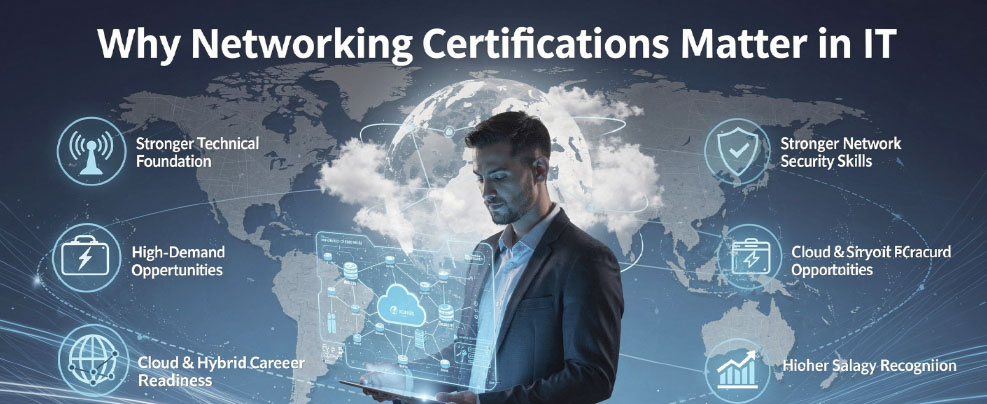
Why Networking Certifications Matter in IT
Networking is the backbone of modern IT infrastructure. Every cloud deployment, cybersecurity framework, enterprise application, and remote workforce setup depends on reliable and secure network connectivity.
In 2026, as digital transformation accelerates, organizations require skilled networking professionals more than ever. This is where networking certifications become essential.
The key question is: Why do networking certifications still matter in today’s cloud-driven world?
Let’s explore why networking credentials remain critical for career growth and IT success.
The Foundation of All IT Systems
Before cloud computing, AI, DevOps, or cybersecurity can function properly, networks must be:- Designed correctly
- Configured securely
- Optimized for performance
- Monitored continuously
Why Networking Certifications Matter in 2026
1. Validated Technical Competency
Networking certifications prove your knowledge of:- TCP/IP fundamentals
- Routing protocols (OSPF, BGP, EIGRP)
- VLANs and switching
- Network security concepts
- WAN technologies
- Troubleshooting methodologies
2. Strong Career Foundation
Networking is often the starting point for many IT careers. Professionals who understand networking fundamentals can transition into:- Cloud Engineering
- Cybersecurity
- DevOps
- Infrastructure Architecture
- Systems Administration
3. High Employer Demand
In 2026, companies require networking professionals for:- Hybrid cloud environments
- Data center management
- Remote workforce connectivity
- Secure enterprise infrastructure
- SD-WAN deployments
- Zero Trust network architecture
4. Improved Troubleshooting Skills
Networking certifications emphasize structured troubleshooting. Certified professionals can:- Identify bottlenecks
- Diagnose connectivity issues
- Analyze traffic flow
- Resolve routing conflicts
- Improve performance
5. Better Salary & Job Security
Certified networking professionals often enjoy:- Higher salary potential
- Faster promotions
- Global job mobility
- Increased credibility
Most Recognized Networking Certifications
Entry-Level Certifications
🔹 CompTIA Network+
- Vendor-neutral foundation
- Ideal for beginners
- Covers basic networking concepts
🔹 Cisco CCNA
- Industry-recognized
- Strong focus on routing & switching
- Entry into enterprise networking
Mid-Level Certifications
🔹 Cisco CCNP
- Advanced routing and switching
- Enterprise-level configuration
- Specializations (Security, Data Center, Collaboration, Service Provider)
Expert-Level Certifications
🔹 Cisco CCIE
- Elite networking certification
- Advanced architecture and troubleshooting
- Globally respected credential
Networking in the Cloud Era
Some believe cloud computing has replaced networking. In reality:- Cloud runs on networking
- Hybrid cloud requires VPN and routing expertise
- Cloud security depends on network segmentation
- Data centers require optimized network design
Emerging Networking Trends in 2026
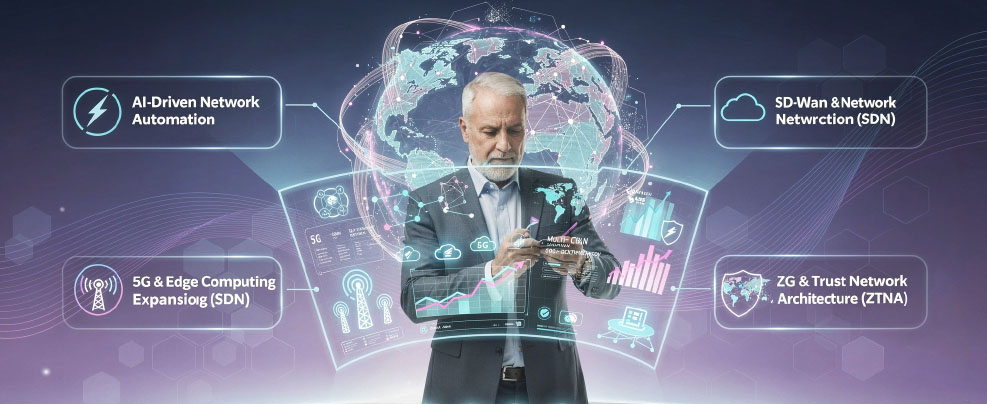
Certified professionals must stay updated on:- Software-Defined Networking (SDN)
- SD-WAN
- Zero Trust architecture
- Network automation
- AI-driven network monitoring
- Cloud-native networking
Who Should Pursue Networking Certifications?
Networking certifications are ideal for:- IT Support Professionals
- System Administrators
- Cloud Engineers
- Security Analysts
- Infrastructure Engineers
- IT Graduates entering the field
Common Myths About Networking Certifications
❌ “Networking is outdated.” → Networking underpins cloud, security, and AI systems. ❌ “Cloud replaces networking.” → Cloud environments rely heavily on network architecture. ❌ “Experience alone is enough.” → Certification validates knowledge and increases hiring confidence.Final Thoughts
In 2026, networking certifications remain one of the strongest foundations for IT careers. They provide:- Core infrastructure expertise
- Career flexibility
- Higher earning potential
- Industry credibility
- Long-term job security
Categories
- Pass PMI PMP Exam Online with Proxy & Pay After Pass
- Pass PRINCE2 Foundation Certification & Pay After Pass
- Pass PRINCE2 Agile Practitioner Certification & Pay After Pass
- Pass PRINCE2 Practitioner Certification & Pay After Pass
- Pass PMI ACP Exam Online with Proxy & Pay After Pass
- Pass AWS Solution Architect Associate SAA-C03 & Pay After Pass
- Pass AXELOS - ITIL Practitioner Certification & Pay After Pass
- Pass ISACA CISM & Pay After Pass
- Pass ISACA CISA & Pay After Pass